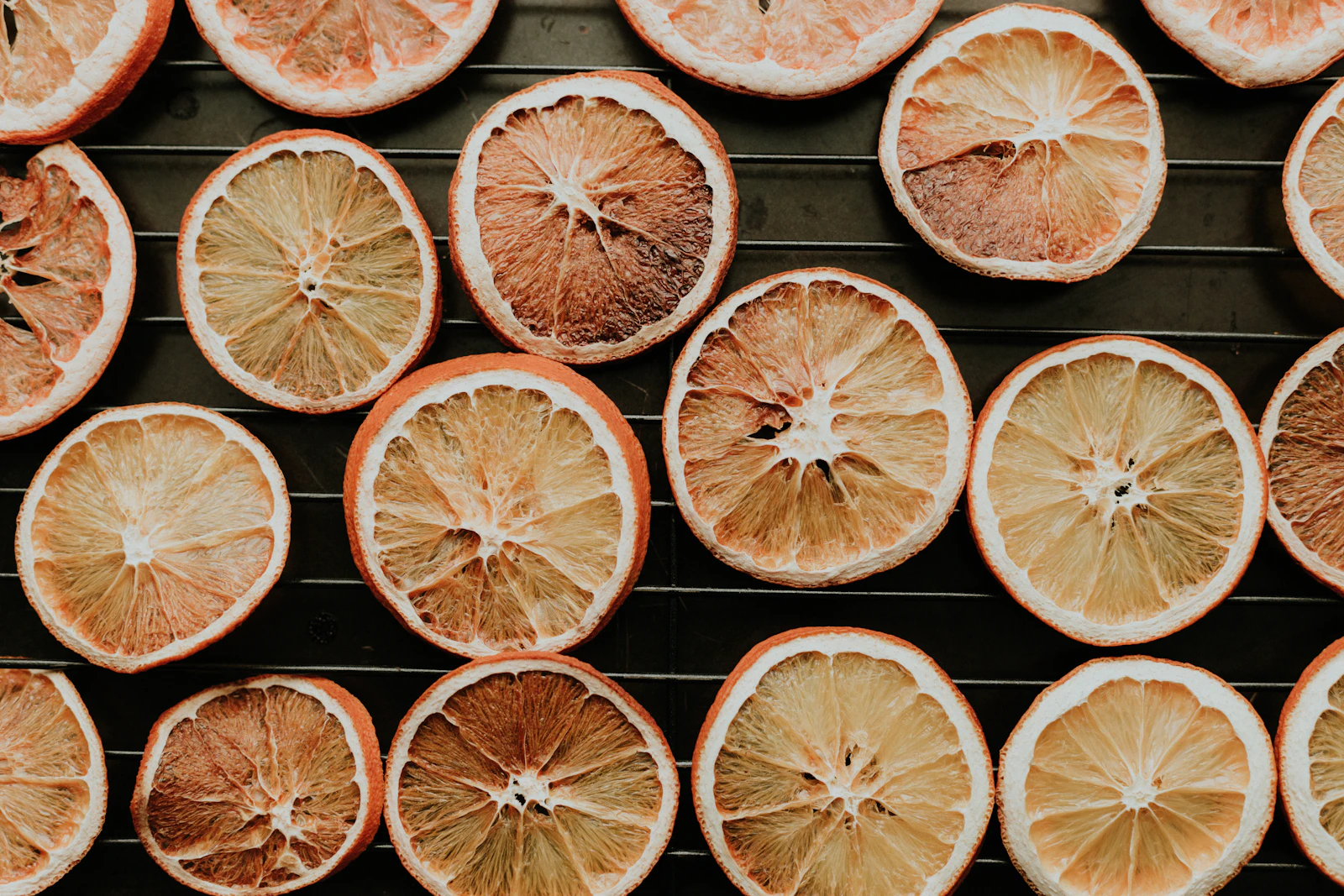
Home dehydration removes enough moisture from food to slow spoilage while concentrating flavor and reducing storage space. Safe results depend on preparing the food correctly, using controlled heat and airflow, checking dryness carefully, and protecting the finished food from moisture during storage.
Important: Dehydration is not
Choose a controlled drying method
A thermostatically controlled electric dehydrator is the most dependable choice for most households because it provides steady heat, airflow and ventilation. The National Center for Home Food Preservation explains that a typical dehydrator uses an electric heating element, fan and vents to dry foods efficiently. Ovens may work for some foods only when they can hold the required low temperature and provide adequate airflow.
Outdoor sun drying is limited. NCHFP advises that fruits may be sun-dried only when conditions are suitable; vegetables other than vine-dried beans and all meats should not be dried outdoors because temperature and humidity cannot be controlled reliably.
Dehydrated fruits
- Select sound, ripe fruit and discard moldy or damaged portions.
- Wash, peel or pit as appropriate, and cut pieces uniformly.
- Use the pretreatment recommended for that fruit when controlling browning or improving quality.
- Arrange pieces in a single layer and dry according to a tested fruit-specific method.
- Cool before testing and packaging. Warm food can create condensation.
- Condition dried fruit when directed and return it to the dehydrator if condensation appears.
Dehydrated vegetables
Many vegetables require blanching before drying to slow enzyme activity and improve storage quality. Follow vegetable-specific blanching and drying directions, and dry until the recommended brittle or crisp condition. Vegetables are generally unsuitable for uncontrolled outdoor drying.
Dried herbs, powders and seasonings
Dry clean herbs promptly. NCHFP notes that herbs are dry when leaves crumble and stems break when bent. Package them whole when practical and crush when used. Powders must be completely dry before grinding and protected from humidity.
Fruit and vegetable leathers
Spread a smooth purée in a thin, even layer on a suitable dehydrator sheet or lined tray. Follow a tested preparation, especially when combining vegetables with fruit. NCHFP advises against waxed paper and aluminum foil as tray liners. Dry until the leather is no longer sticky and peels readily, then cool, roll and package.
Jerky and dried meat
Jerky needs an additional food-safety control because dehydrator temperatures alone may not destroy pathogens quickly enough. Use lean meat, prevent cross-contamination, and follow a tested method that heats the meat adequately before or after drying. Do not improvise with raw meat, low heat or sun drying.
Packaging and storage
- Cool food completely before packaging.
- Use clean, dry, moisture-resistant containers.
- Package in amounts that will be used soon.
- Label the food and drying date.
- Store in a cool, dry, dark location.
- Discard food with condensation, mold, insects, abnormal odors or other deterioration without tasting it.
NCHFP gives a broad storage range of about four months to one year for dried foods depending on the food and conditions. Treat longer claims as product- and package-specific rather than universal guarantees.
Research-based resources
- NCHFP: Drying Foods
- NCHFP: Food Dehydrators
- NCHFP: Packaging and Storing Dried Foods
- NCHFP: Jerky
- NCHFP: Fruit Leathers
Editorially reviewed September 23, 2026. The linked food-specific instructions control exact preparation and drying details.
Questions or results?
Discuss this recipe with the canning community. Community comments do not replace the tested source or safety classification shown on this page.
Join the discussion
Please log in or create a free account to discuss this recipe. You will return here afterward.