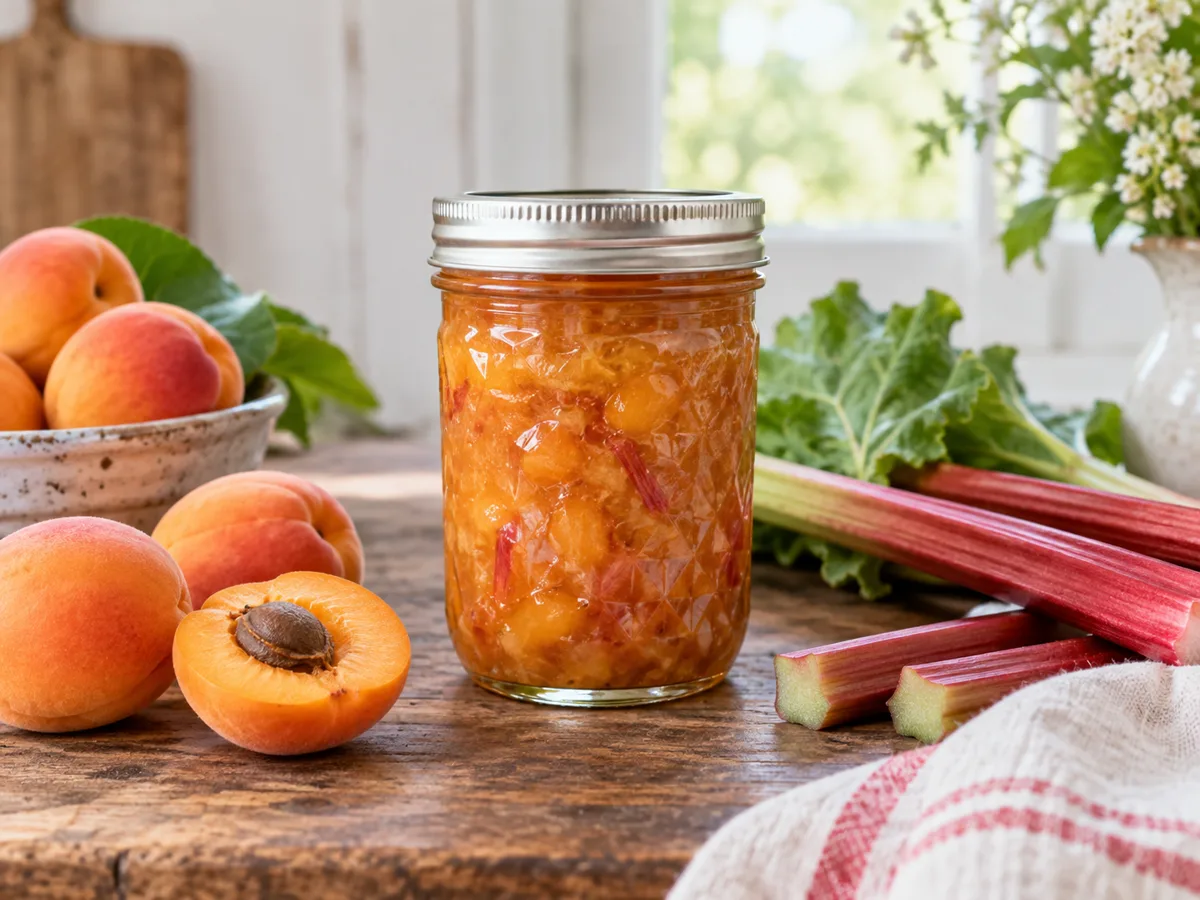
Tested recipe and safety notes
Safety classification: Tested Extension recipe. Use the UAF proportions, jar sizes, headspace, and processing method exactly as written. Do not reduce vinegar or sugar where either is part of the published preservation formula.
Processing details
- Method
- Boiling Water
- Pack style
- Hot Pack
- Jar sizes
- Half-Pint Jars
- Headspace
- 1/4 inch
- Published processing time
- 15 minutes
Tested source
This recipe is attributed to University of Alaska Fairbanks Cooperative Extension. The recipe card retains the source-exact ingredients and directions.
Preparation timeline
Read the complete recipe card first. Complete any standing, soaking, or overnight step stated there, then prepare the canner, jars, lids, ingredients, and workspace before the final cook and fill.
Equipment
- Boiling-water canner with rack
- Suitable canning jars and two-piece lids
- Jar lifter, canning funnel, and headspace tool
- Nonreactive preserving pot and measuring tools
Visual method guide
- Prepare the food exactly as the recipe card directs.
- Fill the specified hot jars, maintaining 1/4 inch headspace.
- Remove air bubbles when applicable, wipe rims, and apply lids.
- Process using the published boiling-water method and the time appropriate to your elevation.
- Cool undisturbed, verify seals, label, and store.
Safety essentials
SOURCE_EXACT recipe data from the cited UAF Cooperative Extension publication. Safety metadata reviewed 09/19/2026; this editorial review is not a new laboratory test.
These pages reproduce Extension guidance; canning.recipes did not independently laboratory-test the formula.
About this recipe
Apricot Rhubarb Conserve — UAF Extension is a shelf-stable home-canning recipe from UAF Cooperative Extension. The recipe card contains the complete formula and directions.
Before you begin
- Confirm the jar size and headspace above.
- Use vinegar of the specified acidity when included.
- Do not double the batch.
- Start timing only when the canner returns to a full boil.
Altitude and processing schedule
The time shown above is the publisher’s stated process. The cited page does not provide a complete altitude table for every recipe. Above 1,000 feet, verify the required boiling-water adjustment with current USDA/NCHFP or local Extension guidance before processing; never shorten the published time.
Apricot Rhubarb Conserve — UAF Extension
Ingredients
- 8 ounces dried apricots, cut fine
- 4 cups rhubarb, cut in 1/2-inch pieces
- 1/2 orange, pulp and rind, cut in small pieces
- 1/2 lemon, pulp and rind, cut in small pieces
- 6 cups sugar
- 1/2 cup chopped nuts
Equipment
- 1 Boiling-water bath canner with rack
- 1 Large stainless or enamel preserving pot
- 1 Canning jars with two-piece lids
- 1 Headspace and bubble tool
- 1 Jelly or candy thermometer
Directions
- Soak the dried apricots overnight in enough water to cover.
- Combine the rhubarb, orange, and lemon. Measure the fruit mixture and add an equal amount of sugar, about 6 cups.
- Cook until thick, about 30 minutes or until the mixture reaches 220°F, stirring frequently to prevent sticking. Add the chopped nuts.
- Pour boiling hot conserve into hot jars, leaving 1/4-inch headspace. Adjust lids.
- Processing: Process half-pint jars for 15 minutes in a boiling-water canner. Yield: about 7 half-pints.
Recipe Notes
Private Notes
Questions or results?
Discuss this recipe with the canning community. Community comments do not replace the tested source or safety classification shown on this page.
Join the discussion
Please log in or create a free account to discuss this recipe. You will return here afterward.
Tried this recipe?
Share your results how it turned out.Serving and storage
After 12 to 24 hours, test seals, remove screw bands, label, and store sealed jars in a cool, dark, dry place. Refrigerate after opening and refrigerate any unsealed jar promptly.
Frequently asked questions
Can I change the proportions?
No. Keep the tested formula and method.
Can I use a larger jar?
Use only the supported jar sizes.
Do I need an altitude adjustment?
Boiling-water processes generally require more time above 1,000 feet; verify the current adjustment for your elevation.
Recipe context
This is a source-specific UAF Extension record. Do not combine its formula or schedule with a similar recipe from another authority.
Troubleshooting
- Jar did not seal
- Refrigerate promptly or reprocess within 24 hours using a new lid and the full verified process.
- Product is unusually thin
- Do not extend canning time to thicken it.
- Processing was interrupted
- Restart the full time after the canner returns to a boil, or follow current Extension guidance.
Source & provenance
- Source
- University of Alaska Fairbanks Cooperative Extension
- Publication
- Rhubarb Recipes (FNH-00064)
- Page / location
- Online recipe page
- Country
- United States
- Region
- Alaska Extension guidance
- Original language
- English
- Translation
- Original language
- Image provenance
- ai_generated
Garden planning for this recipe
Plant, space, variety, zone, and timing estimates live on dedicated ingredient pages: